
skip navigation ATTRA - National Sustainable Agriculture Information Service
  800-346-9140 (English)
  800-411-3222 (Español)
   Home   |   Site Map   |   Who We Are   |   Contact Us   |   Calendar   |   Español   |   Text Only

Home > Master Publication List > Sustainable Agriculture Video Archive

Sustainable Agriculture Video Archive

Getting Started in Farm-Scale Biodiesel Production November 9, 2009
Sheep and Goats: What They Can Do For You July 29, 2009
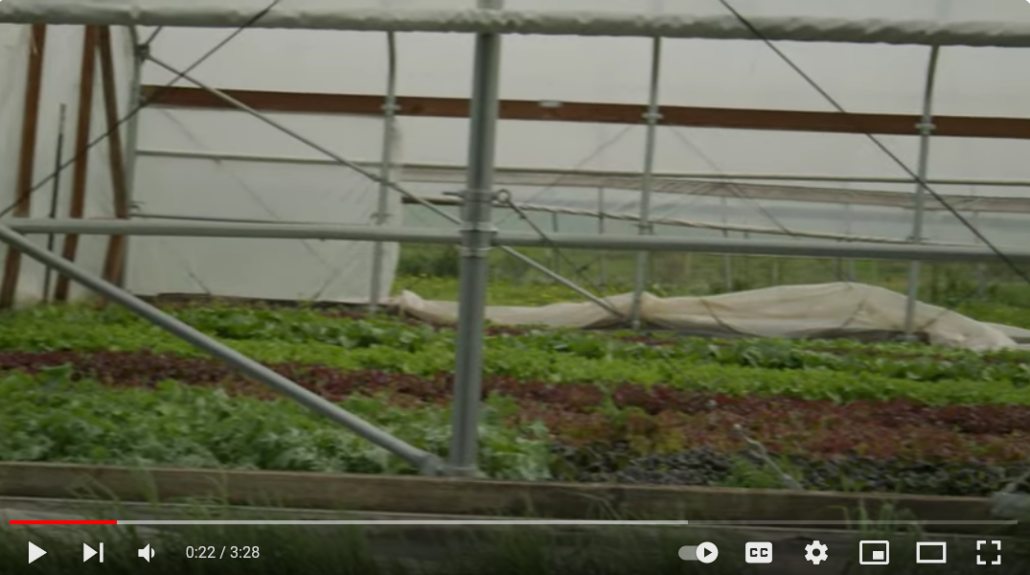
Hoop Houses for Crop Extension May 7, 2009


November 9, 2009
Getting Started in Farm-Scale Biodiesel Production

(1hr 8min)

If you want to make your agriculture operation more sustainable, you probably know that biodiesel is a great alternative fuel that is safe, inexpensive and can be produced right on the farm. But starting biodiesel production can be intimidating.

To get expert information about the basic of biodiesel production and learn about how to incorporate the fuel on your farm or ranch, watch Getting Started in Farm-Scale Biodiesel Production, a 60-minute webinar from ATTRA – National Sustainable Agriculture Information Service.

For convenience, slides from the Biodiesel Webinar are also available in PDF format
PDF Icon

Biodiesel Slides

This webinar highlights the basics of biodiesel production and shows home brewers what precautions they should take to avoid potential problems associated with poor-quality fuel. When properly made and stored, biodiesel can be substituted for petroleum-based diesel in virtually any standard, unmodified engine. It is a clean-burning, renewable and environmentally friendly fuel that emits fewer pollutants than traditional petrodiesel and is biodegradable and extends engine life.

This webinar covers topics including:

  • The advantages and disadvantages of biodiesel
  • The chemistry of biodiesel and step-by-step instructions to make your own fuel
  • Types, prices and tradeoffs of biodiesel processors and equipment
  • Oilseed production and processing
  • Examples of farmers and ranchers making their own fuel

The presenters for this webinar were Al Kurki and Rich Dana, biodiesel specialists with the National Center for Appropriate Technology (NCAT).


July 29, 2009 ~ Sheep and Goats: What They Can Do For You

(1hr 12min)

This webinar was presented by NCAT specialists Margo Hale and Linda Coffey. Topics include animal selection, health, equipment, marketing, and benefits of sheep and goat production. Hale and Coffey also answered questions from listeners at the end of the webinar.

For convenience, slides from the Sheep and Goats Webinar are also available in PDF format
PDF Icon

Sheep and Goats Slides

Sheep and goats can be raised for meat, milk, or wool. They also benefit pastures and are adaptable to many environments. The increasing ethnic diversity of the country, along with a growing interest in sustainable agriculture, have created more demand for these products than the nation can currently supply.

When getting started in sheep or goat production, "You can check with your local extension office and get linked up with local producer groups," Coffey said. "That can be a tremendous help and we highly recommend that. In addition, our ATTRA publications can be very useful as you’re starting out and we can point you to resources. We're here for you to call if you have a specific question."

There are many advantages to sheep and goat production, such as a high demand for products. Raising sheep and goats can complement other enterprises. They can be used to clear ground for other livestock, or simply to eat unwanted weeds. Additionally, producers have many options and outlets for marketing their products.


May 7, 2009 ~ Hoop Houses for Crop Extension

(1hr 5min)

This webinar was presented by NCAT specialists Tammy Hinman and Andy Pressman. Topics include the uses and benefits of hoop houses, including increases in crop quality and yields; different types of hoop houses; construction, materials and cost estimates; management of crops, soil fertility, pests and weeds; and the economics and marketing of crops. Hinman and Pressman also took questions about hoop house production.

For convenience, slides from the Hoophouse Webinar are also available in PDF format
PDF Icon

Hoophouse Slides

Hoop houses can be very useful for small-scale farmers. Some farmers say the structures pay for themselves in one season. Often, crops grown in hoop houses produce larger yields and are of a higher quality than field-grown crops. Crops can also be ready for the market earlier, bringing a higher price and building a customer base. Hoop houses can also extend growing seasons, creating a yearlong crop in some situations.

"Season extension technologies can positively affect small-scale farming operations", said Pressman. "There is a learning curve when creating microclimates and differences from outdoor production, but the benefits of using hoop houses can be garnered in one season."

Crops grown in hoop houses include cut flowers, carrots, tomatoes, peppers, squash, melons, lettuce and other greens. Some growers use hoop houses to produce cane berries, strawberries, blueberries and even cherries.


Back to top

National Center for Appropriate Technology (NCAT) logo and link to home pageATTRA - National Sustainable Agriculture Information Service is managed by the National Center for Appropriate Technology (NCAT) and is funded under a grant from the United States Department of Agriculture's Rural Business-Cooperative Service. Visit the NCAT Web site for more information on our sustainable agriculture projects.

Site Map | Comments | Disclaimer | Privacy Policy | Webmaster

Copyright © NCAT 1997-2009. All Rights Reserved.