Scheduling Vegetable Plantings for Continuous Harvest
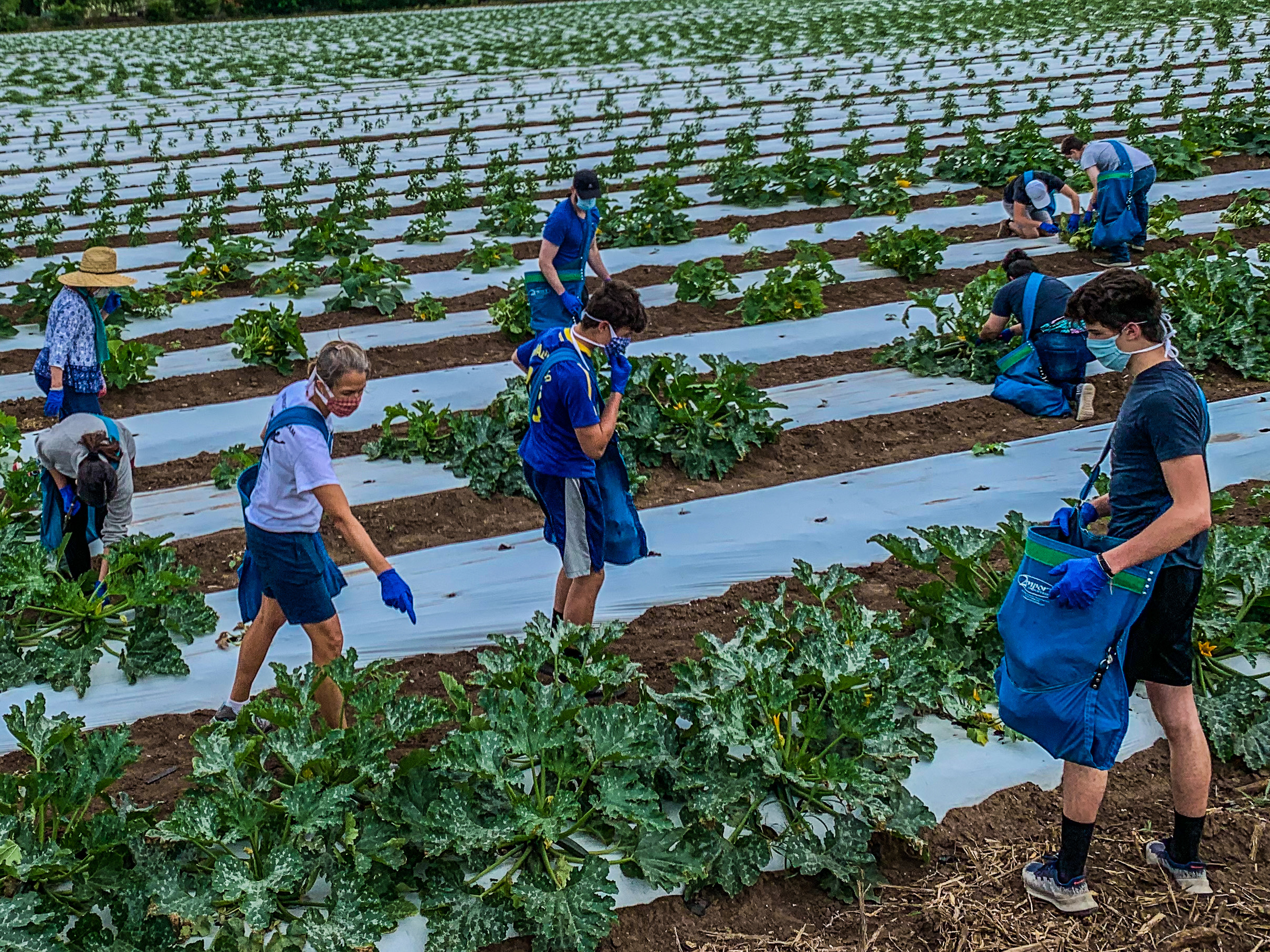
Harvesting in a market garden. Photo: Darron Gaus, NCAT.
By Janet Bachmann, NCAT Agriculture Specialist, May 2008
Updated March 2026 by Darron Gaus and Hakeem Holmes, NCAT Agriculture Specialists
Abstract
Customers rely on a continuous supply of fresh flowers, herbs, and vegetables throughout the growing season. Succession planting is a technique used by farmers and market gardeners to schedule crop plantings to meet market demand with consistent supply. This publication helps growers develop a plan to plant and harvest crops in succession. Included in this publication is a useful planning tool that can aid in scheduling plantings, recordkeeping, and it also holds essential information for many common vegetables for each USDA Zone from zones four through twelve.
Contents
Introduction
USDA Plant Hardiness Zones
Soil Temperature
Succession Planting Plan
Succession Planting Spreadsheet
Recordkeeping
Conclusion
References
Further Resources
Introduction
There are many benefits to supplying your local markets with a diverse array of specialty crops (i.e., vegetables, flowers, and herbs) on a regular schedule throughout the growing season. Local marketing channels such as vegetable subscriptions, restaurants, or institutions demand variety, quantity, and quality on a predictable schedule. Succession planting is a strategic approach to meet market demand and capitalize on market opportunities in specialty crop production.
Ensuring a continuous harvest requires developing a crop planting schedule to optimize space and maximize yields. Succession planting has multiple benefits, including having different crops ready for harvest at various times, maintaining consistency of harvest for a particular crop over time, and planting crops based on pest occurrence.
Farmers and market gardeners can also utilize succession planting to provide a variety of fresh vegetables for themselves, their families, and their communities while avoiding overproduction. Surplus can be a boon if you have a market for it, but if not, it is a burden rather than a benefit. If the excess can’t be processed, preserved, or sold in time, it can lead to waste in rotting produce, lost labor, and sunk costs in seeds, water, and inputs. Scheduled planting helps farmers and market gardeners avoid that waste.
Scheduled planting to maintain continuous harvest in a growing season requires research and forethought. You need to know or be able to estimate:
- First and last frost dates for your area (see USDA Plant Hardiness Zone)
- Soil temperature for direct seeding
- Appropriate seed or transplant planting dates for each type of fruit or vegetable (warm or cool season)
- Number of days to harvest (crop maturity)
- Number of harvests that can be achieved, if more than one
- Expected yield per linear foot or acre
- Spacing, planting area
- Weather patterns
- Daylight length requirements for certain types of crops
Figure A and the Succession Planting Spreadsheet contain much of the information listed above. The Succession Planting Spreadsheet can be utilized and adjusted as needed to refine a schedule for continuous harvest in any season and USDA zone.
A continuous harvest, along with proper marketing, crop rotation, and soil management, can lead to a profitable and sustainable specialty crop production enterprise. While this publication aims to illustrate the basic principles of continuous harvest and provides examples of a few often-used succession planting concepts, to cover every situation would be impossible.
The best approach to planning for a continuous harvest is to keep good production records from previous growing seasons and to compare notes with other local growers. This can allow you to make more informed decisions in succession planting year after year. Planning for a continuous harvest should not be cumbersome or time-consuming. It can be done once or twice a year with small adaptive management decisions along the way.
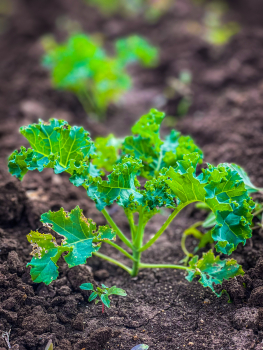
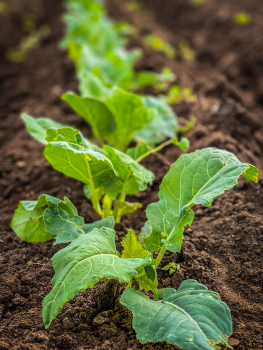
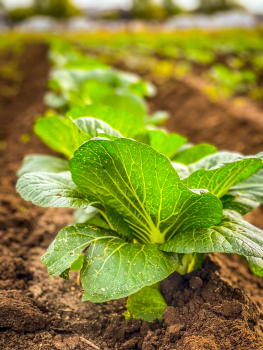
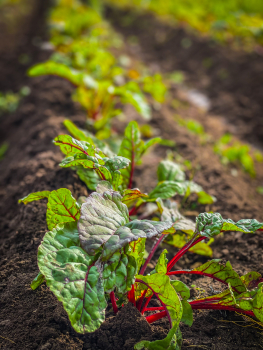
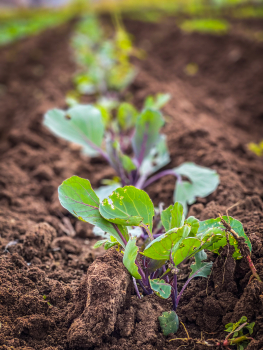
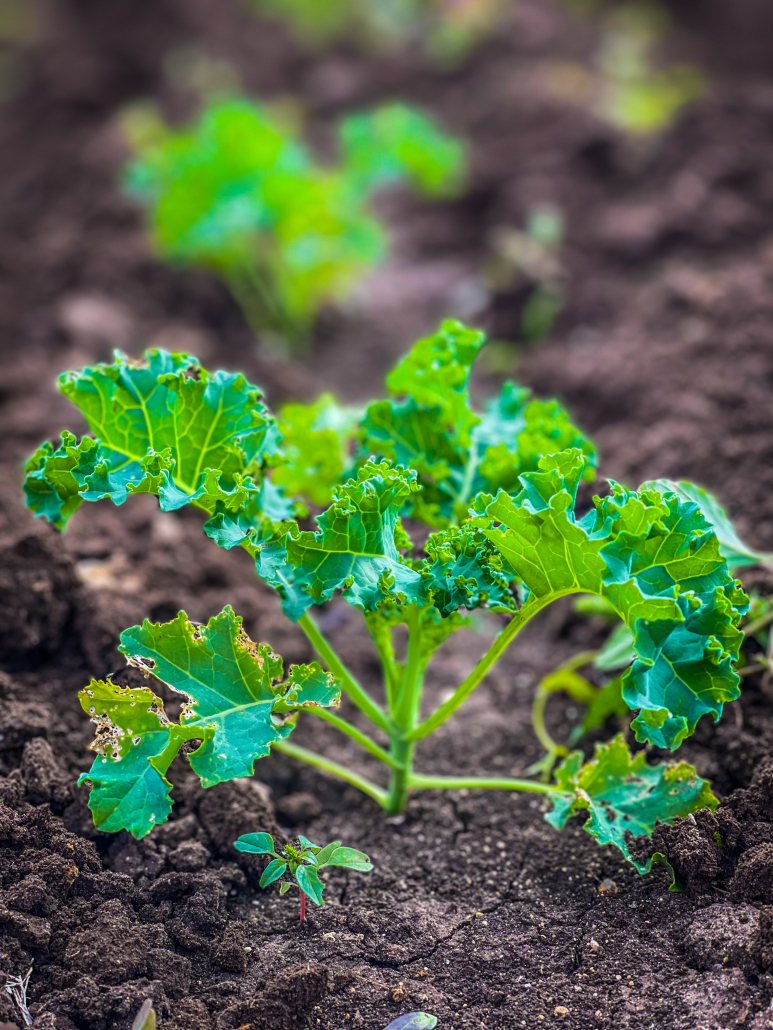
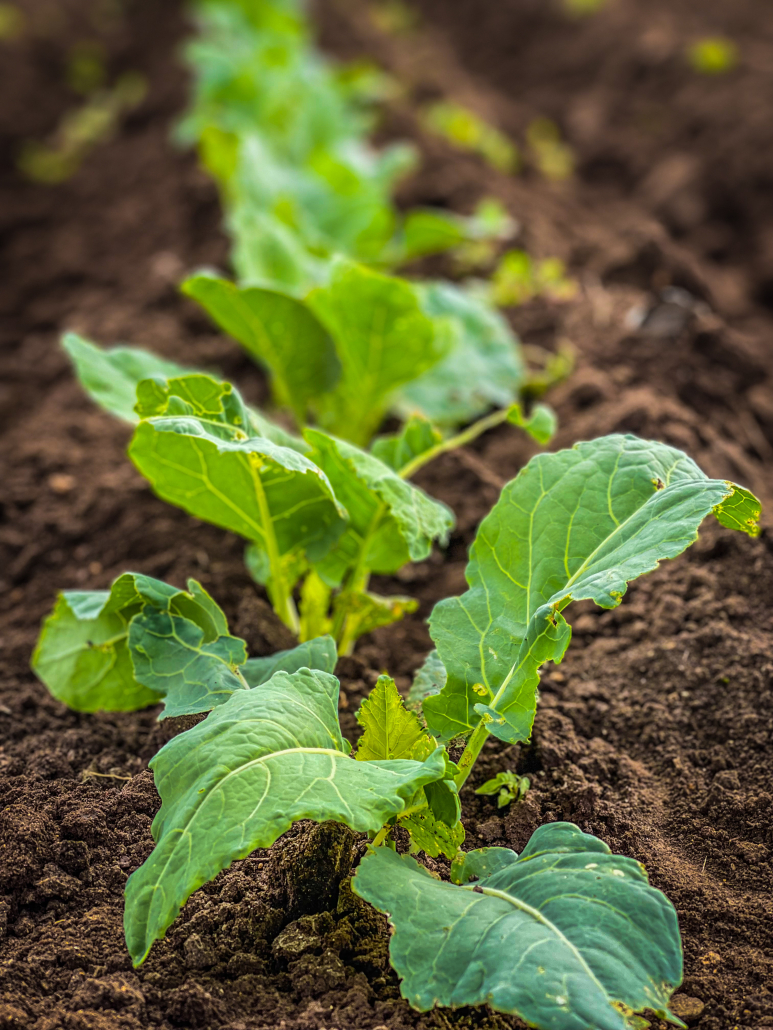
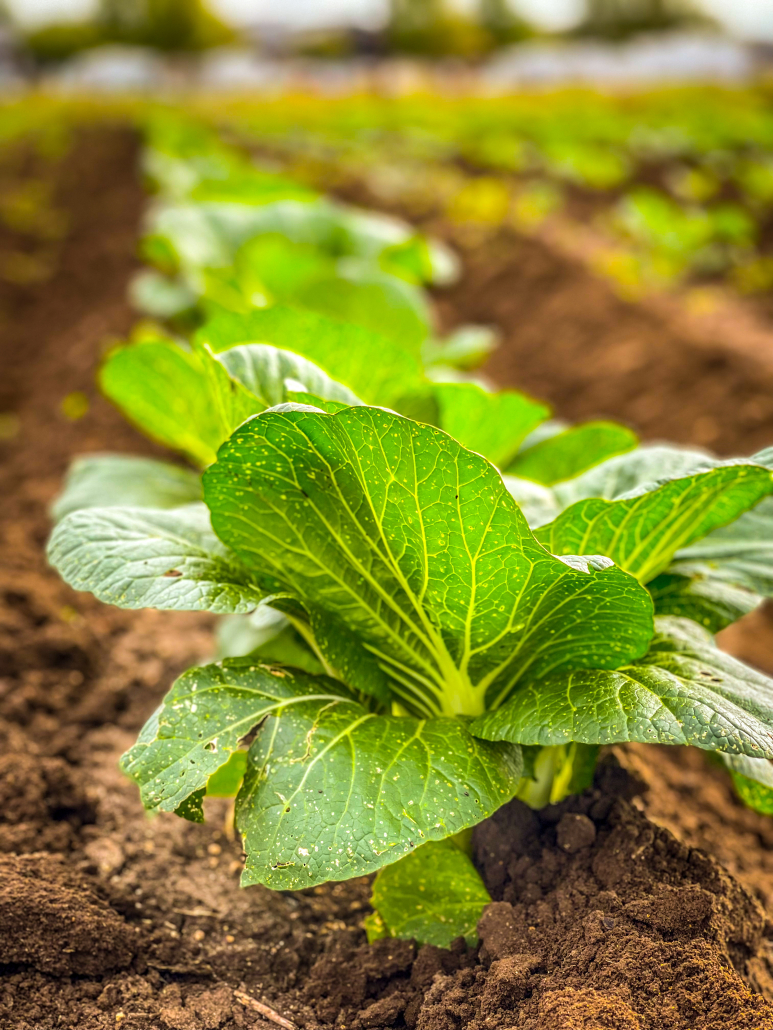
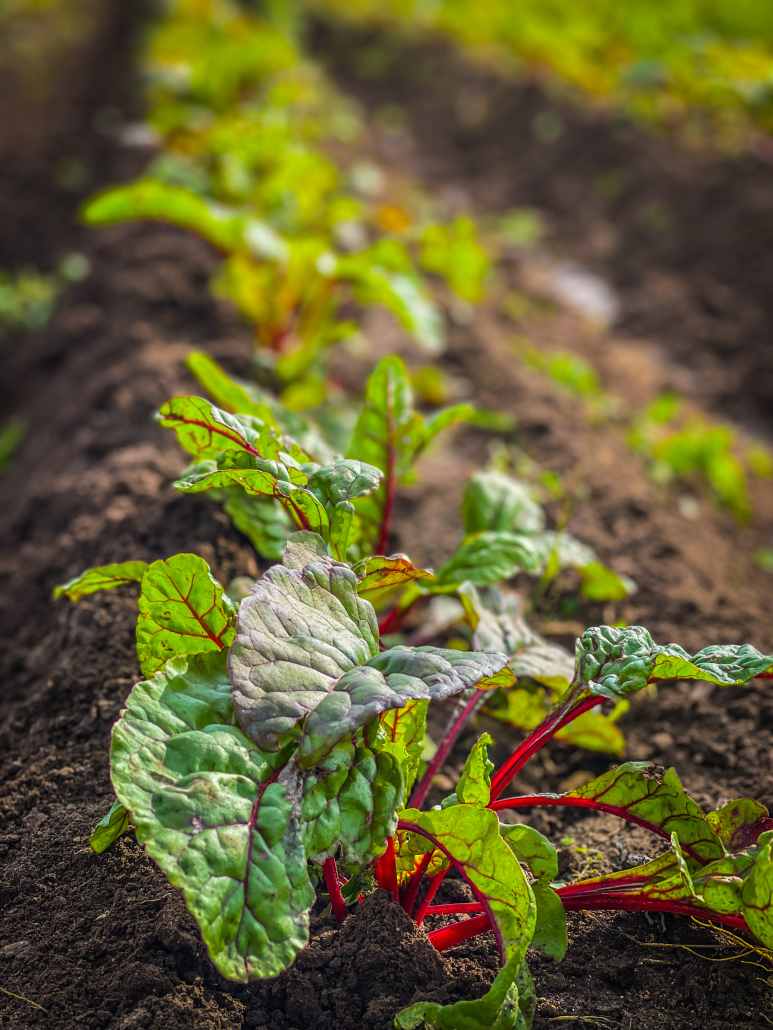
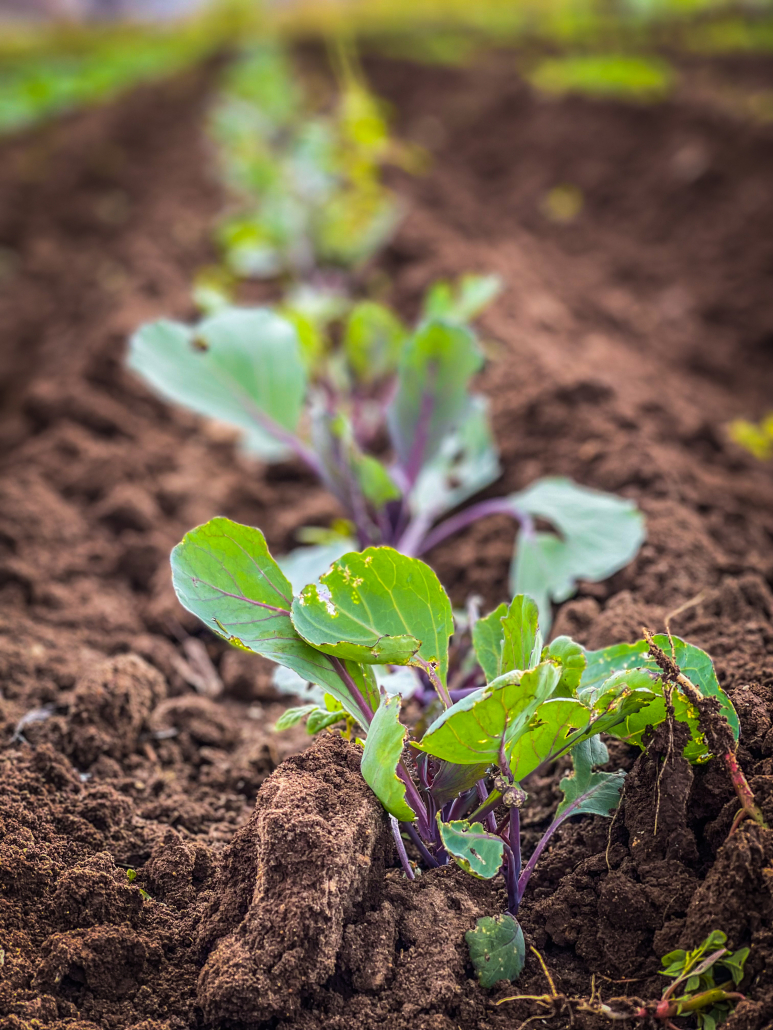
Multiple vegetables at the same stage of growth with different harvest dates. Photos: Darron Gaus, NCAT
USDA Plant Hardiness Zones
Weather is a major variable when planning for the growing season. Appropriate planting dates are commonly scheduled around the average annual last-frost date in the spring and the average annual first-freeze date in the fall. A producer can get these dates for their area from local Extension agents or the USDA Plant Hardiness Zone map.
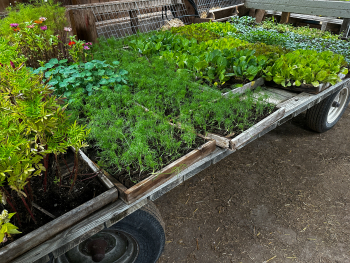
Seedlings ready for transplanting according to succession planting plan. Photo: Darron Gaus, NCAT.
Weather impacts timing for seedling establishment and overall crop growth. For example, peas planted at the first possible planting date in the spring and then again two weeks later will usually mature only one week apart. Germination conditions at the time of the second planting will likely be much better, and the young plants will grow faster as the days lengthen, slowly catching up with the first crop. This same process happens in reverse for fall crops. Even a couple of days’ difference in midsummer planting dates can lead to a harvest date difference of two, or even three, weeks (Ogden, 1992).
Use the first and last frost dates as bookends for a good succession plan. Calculate the estimated first harvest from the first planting date plus the number of days to harvest for that variety of crop. The last planting date of a growing season should be the date at which the crop should be planted with enough time to reach maturity before the first freeze date. These two dates usually can be shifted by a couple of weeks depending on risk tolerance, season extension methods, and local knowledge gathered with good recordkeeping.
Soil Temperature
Soil temperature is just as important as air temperature. Each crop has an optimal temperature range for germination. This is why transplanted crops are planted in trays six to eight weeks prior to the last frost date and are typically kept warm with a heat mat, greenhouse, or hot bed. The seeds have biomechanisms that will not allow them to germinate early if the soil temperature is not ideal. Using an inexpensive soil thermometer year-round and monitoring and recording these data will help in creating local information regarding the best planting times. Figure A provides a table of optimal germination soil conditions.
Figure A: A chart of optimum soil temperatures for many of the most common fruits and vegetables.
| Crop | Minimum | Optimum Range | Optimum | Maximum |
|---|---|---|---|---|
| Asparagus | 50 | 60-85 | 75 | 95 |
| Bean | 60 | 60-85 | 80 | 95 |
| Beet | 40 | 50-85 | 85 | 95 |
| Cabbage | 40 | 45-85 | 85 | 100 |
| Carrot | 40 | 45-85 | 80 | 95 |
| Cauliflower | 40 | 45-85 | 80 | 100 |
| Chard, Swiss | 40 | 50-85 | 85 | 95 |
| Corn | 50 | 60-95 | 95 | 105 |
| Cucumber | 60 | 60-95 | 95 | 105 |
| Eggplant | 60 | 75-90 | 85 | 95 |
| Lettuce | 35 | 40-80 | 75 | 95 |
| Muskmelon | 60 | 75-95 | 90 | 100 |
| Onion | 35 | 50-95 | 75 | 95 |
| Parsley | 40 | 50-85 | 75 | 90 |
| Parsnip | 35 | 50-70 | 75 | 85 |
| Pea | 40 | 40-75 | 75 | 85 |
| Pepper | 60 | 65-95 | 85 | 95 |
| Pumpkin | 60 | 70-90 | 95 | 100 |
| Radish | 40 | 45-90 | 85 | 95 |
| Spinach | 35 | 45-75 | 70 | 85 |
| Squash | 60 | 70-95 | 95 | 100 |
| Tomato | 50 | 60-85 | 85 | 95 |
| Turnip | 40 | 60-105 | 85 | 105 |
| Watermelon | 60 | 70-95 | 95 | 105 |
Source: Oregon State University Extension, April 2013, reviewed 2024.
Example: Planning a Successional Corn Crop
Sweet corn is often grown in successive plantings to prolong the harvest season. An effective way to stagger sweet corn plantings is to wait until one crop is one to two inches tall before planting the next. Sweet corn tends to emerge more slowly in cool soil (50-55°F) than in warm soil (68-77°F). Standard sweet corn varieties are better for early spring plantings than the super-sweet varieties, since the super-sweet varieties will not perform as well in cool soil. In addition to sequential plantings, you can plant varieties that require different lengths of time to reach maturity. For example, some sweet corn varieties are bred to mature in 70 days, while others require 100 days. Planting two varieties with different maturity dates can save time and labor.
Succession Planting Plan
Once you have gathered data on each crop and its locally adapted varieties, planning can begin. Start by identifying the first and last frost dates in your growing season. Consider local market trends to understand which crops are in demand and use your experience to select those that perform well in your area. Assign a date range for each crop’s growing window, then build a schedule of planting and projected harvest dates, taking market needs into consideration. Determine space and area requirements by factoring in expected yields, pest pressures, and potential companion planting options. Conducting this planning process once or twice a year will help ensure a continuous, reliable harvest for farmers’ markets, CSAs, schools, restaurants, and family tables.
Once you have a framework of possible planting dates, you can develop your plan for successive plantings. The Succession Planting Spreadsheet and tool can be used as a template and adapted for your own recordkeeping. The spreadsheet also contains helpful information on many common vegetable crops in USDA zones four through twelve.
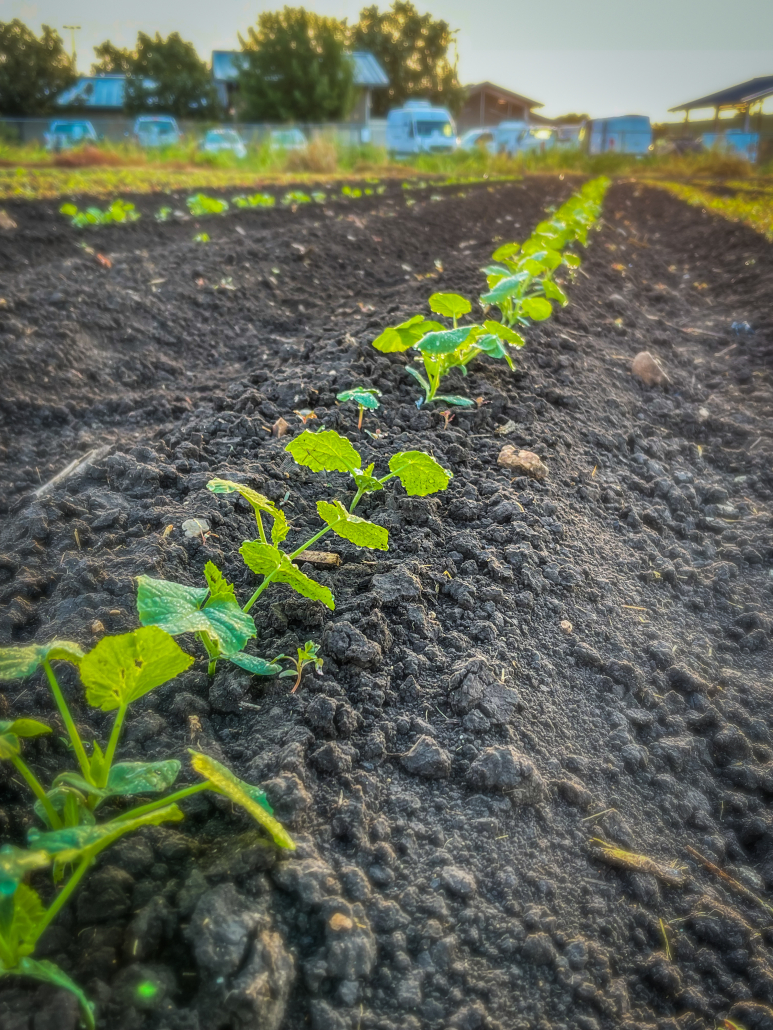
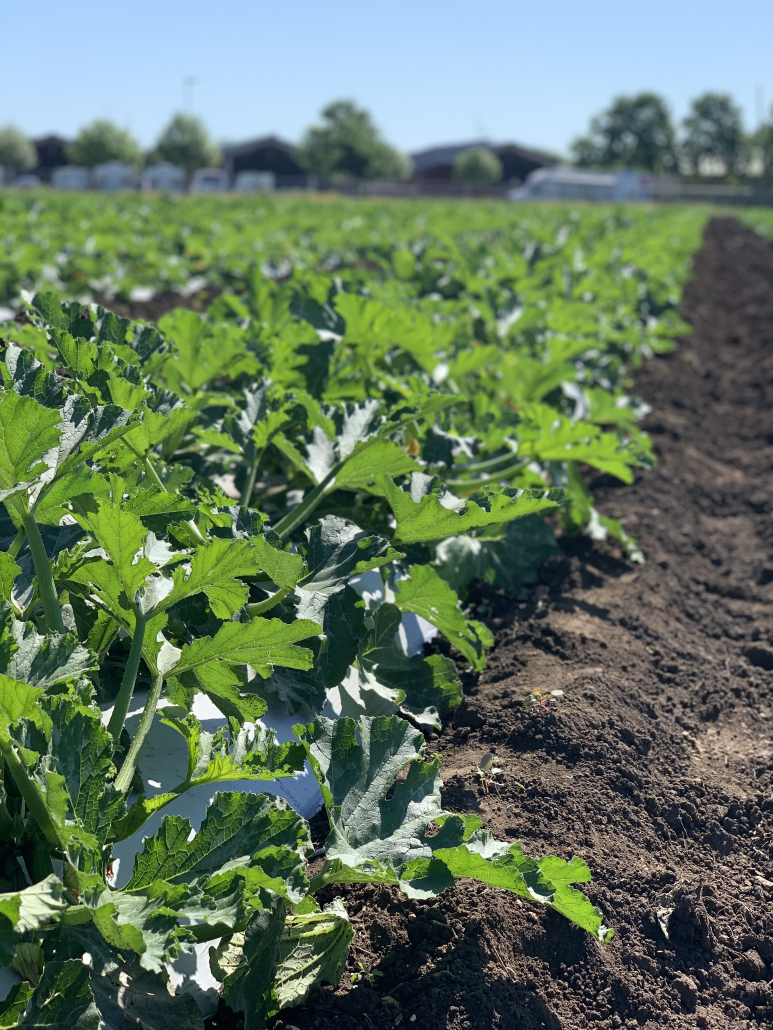
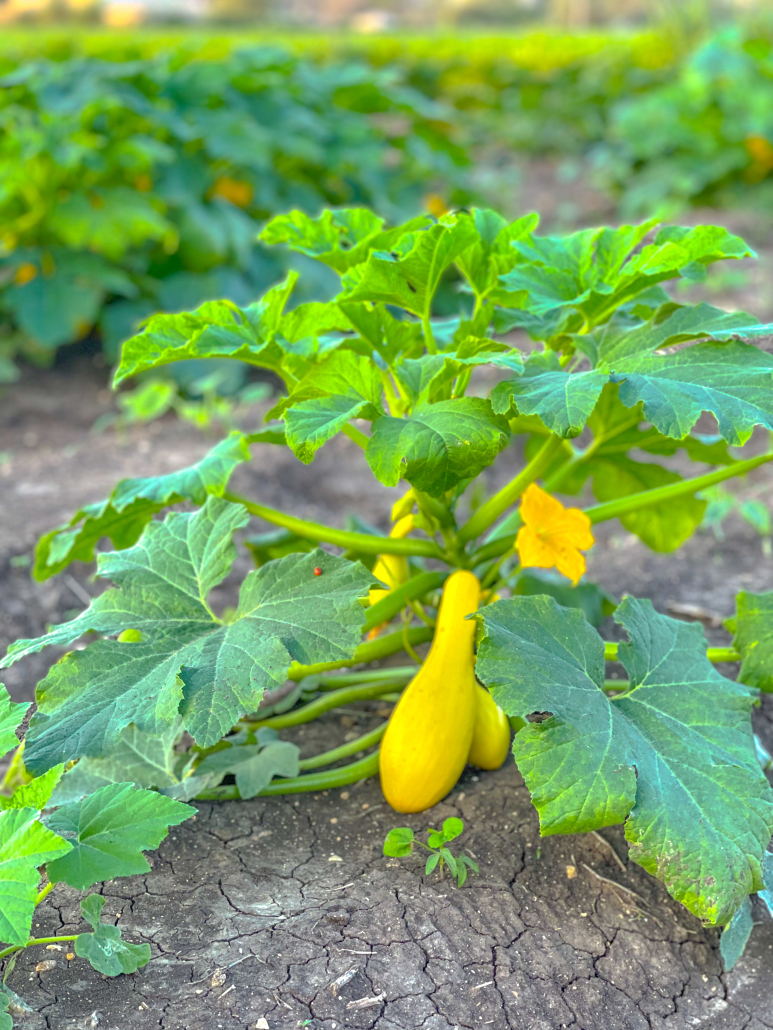
Three Stages of Summer Squash Plant
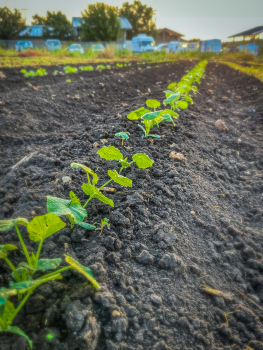
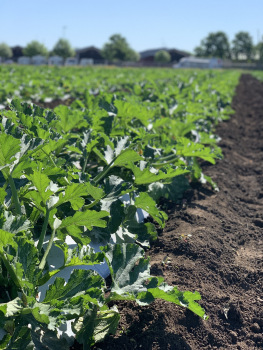
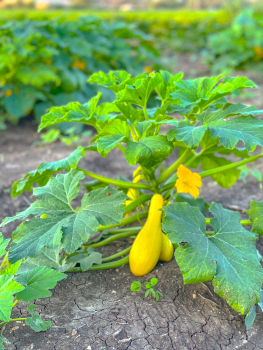
Photos: Darron Gaus, NCAT
Example: Planning a Successional Squash Crop
Summer squash likes warm soil and air temperatures. Growers in zones three through seven should plant squash well after the last frost date, when soil temperatures reach 60°F. In zones eight through ten, growers can typically plant summer squash just after the last frost date. Summer squash is a large seed and does very well when directly seeding into the soil. Summer squash typically has about a four-week window of harvesting, starting off slowly and increasing yield in the second and third weeks until it declines beginning in week four.
Summer squashes are highly susceptible to mildews. They do not like wet soil or constantly high humidity, conditions that encourage mildews. For this general example, there are three mildew-resistant varieties that do well in the planner’s region.
The three varieties the planner will plant have growing periods of 40, 47, and 54 days, respectively. The yield for all three varieties is 50 pounds per ten linear row-feet. Last year’s records show that in the first week they were able to harvest eight pounds per ten linear feet. They harvested fifteen pounds in weeks two and three, and twelve pounds in week four.
If all three varieties were planted in 100 linear feet each on April 15, the first harvest would be May 26 and the last harvest would be July 1. The grower can anticipate harvesting around 1500 pounds of squash over the six-week period. This information is crucial for a producer when making planning and marketing decisions for their operation.
Summer Squash Harvest Plan
| Summer Squash Variety | Days to Harvest | Lbs. Harvested Week 1 | Lbs. Harvested Week 2 | Lbs. Harvested Week 3 | Lbs. Harvested Week 4 | Lbs. Harvested Week 5 | Lbs. Harvested Week 6 |
|---|---|---|---|---|---|---|---|
| A | 40 | 80 | 150 | 150 | 120 | ||
| B | 47 | 80 | 150 | 150 | 120 | ||
| C | 54 | 80 | 150 | 150 | 120 | ||
| Total: | 80 | 230 | 380 | 420 | 270 | 120 |
Succession Planting Spreadsheet
The Succession Planting Spreadsheet is a powerful planning tool designed to help gardeners and small-scale farmers achieve a continuous and efficient harvest throughout the growing season. By organizing key planting and harvesting data—seed start dates, transplant schedules, days to maturity, and recommended intervals between plantings—this spreadsheet enables users to strategically stagger crops for optimal yield. With region-specific guidance and detailed crop information, it simplifies the complex task of succession planting, ensuring a steady supply of fresh produce while maximizing space and time in the garden.
The Succession Planting Spreadsheet (Excel) can be downloaded from the ATTRA website.
How to Use the Succession Planting Spreadsheet
We have tried to make this spreadsheet as user-friendly as possible, even if you are not highly experienced in using Excel. Follow the instructions below and you should be able to utilize this tool to plan your growing season. But if you have issues or questions, you can always reach out to ATTRA Sustainable Agriculture Specialists for assistance.
First Tab: Succession Planting
The first tab of the worksheet is your primary planning space for scheduling and tracking succession plantings. It helps you organize planting and harvest dates to ensure a steady supply of crops throughout the season. Here’s how to use each column:
- Crop: Select or enter the name of the crop you are planning to grow.
- Seed to Flat, Actual: Enter the actual date you sowed seeds into flats (if starting indoors). Leave blank for direct-sown crops.
- Est. Begin Transplanting / Est. End Transplanting: Enter the estimated window for transplanting seedlings into the field or garden.
- Plant to Field, Actual: Record the actual date you transplanted or direct-seeded the crop into the field.
- Estimated Days to Harvest: Enter the number of days from planting to harvest. You can find this in the zone-specific tabs or on seed packets.
- Harvest Date: The spreadsheet will calculate this based on the planting date and days to harvest. You can also enter it manually if known.
- Ready for Harvest Description: This field describes what the crop should look like when it’s ready to harvest (e.g., “firm head,” “glossy skin”).
- Interval Between Planting (Days): Enter the number of days between successive plantings to maintain a continuous harvest (e.g., every 14 days for lettuce).
- Seed to Flat, Estimated (Next Crop): Based on your interval, this is the estimated date to start the next round of seeds (if starting indoors).
- Comments: Add any notes, such as variety, weather conditions, pest issues, or adjustments for future planning.
Tips:
- Only fill in the columns highlighted with yellow—these are editable.
- Use the zone-specific tabs for reference on planting windows, harvest times, and suggested planting intervals.
- The worksheet is designed to be customizable—add crops or adjust dates to fit your local conditions and goals.
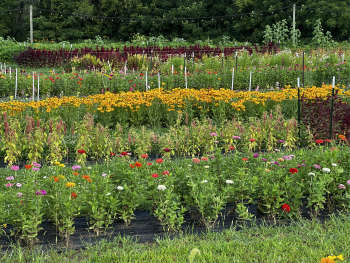
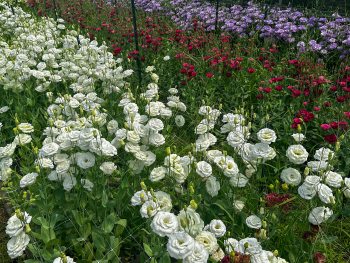
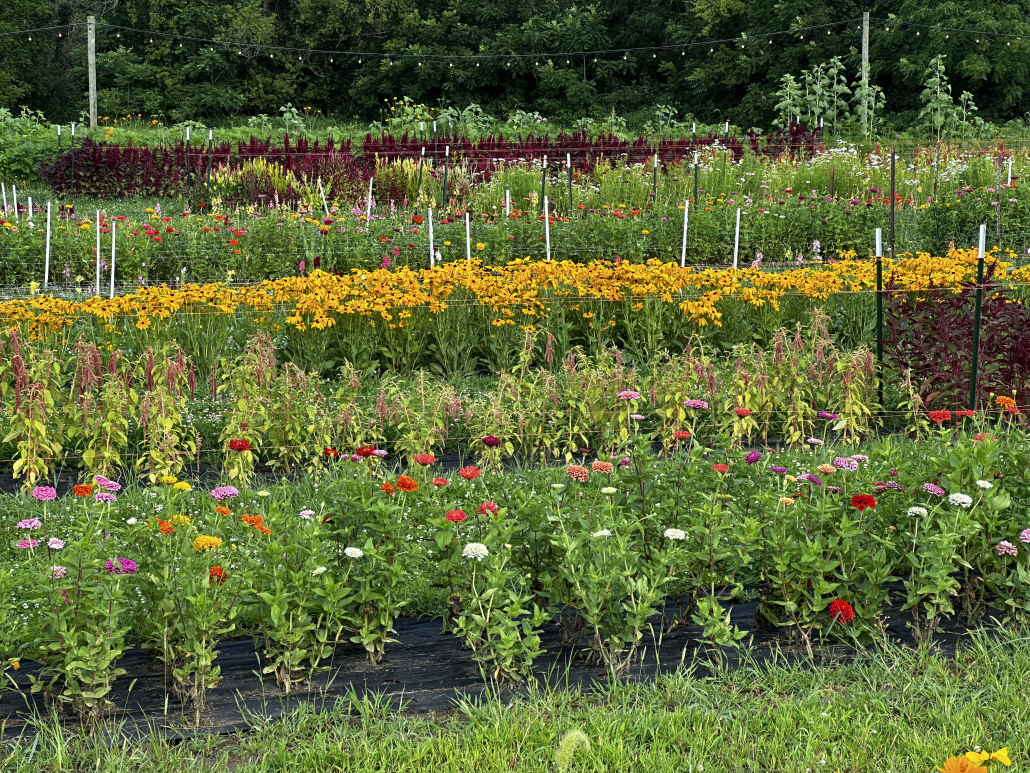
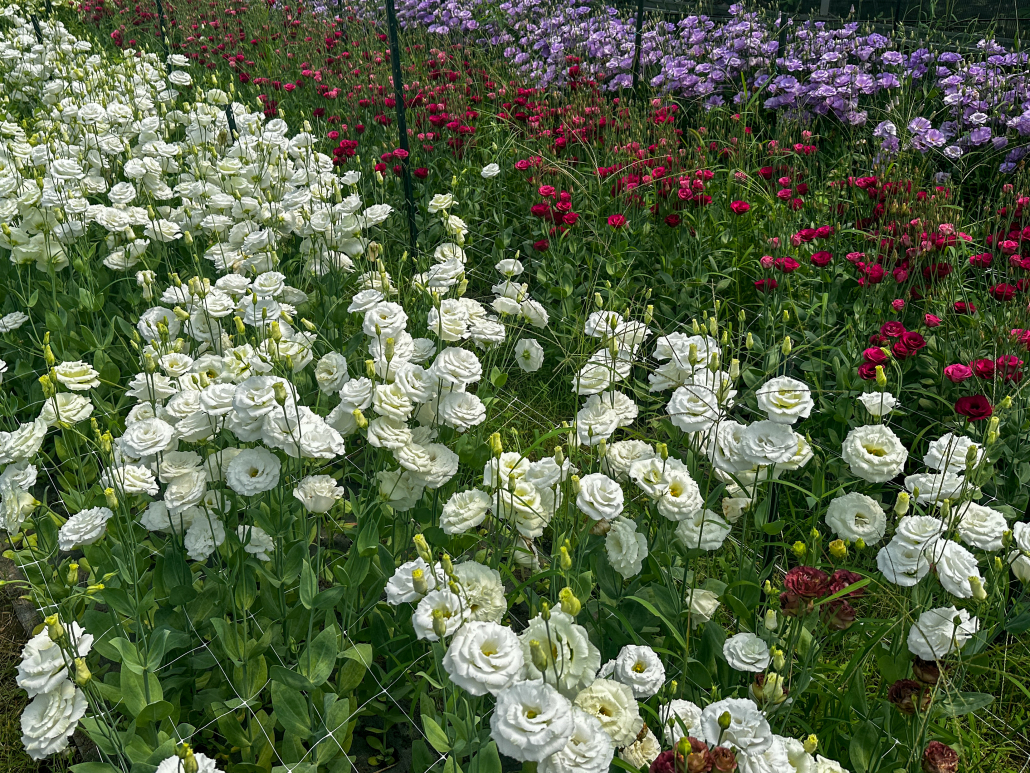
Succession planting with flowers. Photos: Darron Gaus, NCAT
Recordkeeping
Throughout the growing season, collect site-specific information like planting dates, germination dates, harvest dates, and yields per linear foot. This will make planning for next year even more accurate and useful.
A beneficial outcome of the Community Supported Agriculture (CSA) movement, with its emphasis on multiple crops and continuously supplying customer favorites throughout the season, is the development of recordkeeping and crop-planning systems geared toward direct market farmers. You can find more information in the ATTRA publication Community Supported Agriculture.
The ATTRA publication Market Gardening: A Start-up Guide also provides ideas and resources for vegetable planning and recordkeeping.
Conclusion
Succession planting for a continuous harvest begins with gathering the most accurate information you can from your local Extension office, other farmers, or farm records. Applying these data points to make a calendar of planting dates and potential harvest dates will improve profitability in specialty crop production. This process can be used for cut flower, herb, fruit, and vegetable production. Keeping personal records will refine the process and enable you to achieve success in succession planting for a long-lasting and diverse harvest each growing season.
REFERENCES
Ogden, Shepherd. 1992. Step by Step Organic Gardening. Harper Collins Publishers. p. 113-114.
OSU Extension Service. 2013. Soil temperature conditions for vegetable seed germination. Oregon State University, Corvallis, OR.
Further Resources
ATTRA Publications
Tipsheet: Crop Rotation in Organic Farming Systems
Soil Health Indicators and Tests
Documentation Forms for Organic Crop and Livestock Producers
USDA Publication
USDA Plant Hardiness Zone Map. 2023. Agricultural Research Service. U.S. Department of Agriculture.
Scheduling Vegetable Plantings for Continuous Harvest
By Janet Bachmann, NCAT Agriculture Specialist, May 2008
Updated March 2026 by Darron Gaus and Hakeem Holmes, NCAT Agriculture Specialists
Production
©NCAT
IP#323
Version 031926
This publication is produced by NCAT through the ATTRA Sustainable Agriculture program, under a cooperative agreement with USDA Rural Development.